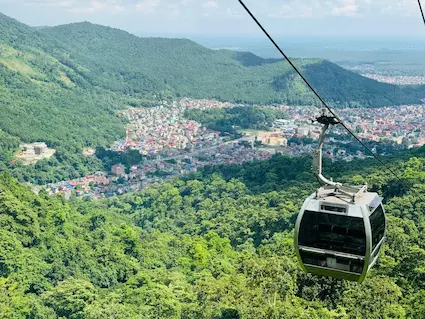
A Brief Overview
Butwal is the administrative and commercial hub of Rupandehi District, located in the Lumbini Province. It's positioned on the highway that connects the hill regions of Nepal to India—making it a strategically important city for both trade and tourism. If you’re heading to Lumbini (the birthplace of Buddha), Butwal is often your last stop before getting there, but there’s far more to explore than just a quick layover.
Here’s a fun fact to kick things off: Butwal is not just another small town; it has over 100,000 residents. And it’s one of the fastest-growing cities in Nepal. With its perfect blend of urban amenities and natural beauty, it stands as an example of urbanization in the Terai—a region that is sometimes overshadowed by the more popular destinations like Kathmandu or Pokhara.
Why Butwal is So Important: A City That Connects
I’m going to tell you something not everyone knows — Butwal isn’t just some random stopover. In fact, it’s more like the gateway between the hills of Nepal and the plains of the Terai. The city has long been a key trading point due to its location on the East-West Highway. Historically, this road served as a vital link between Nepal and India, allowing for the easy exchange of goods and culture. The fact that it lies so close to the Indian border (roughly 15 km away) has made Butwal a commercial powerhouse for centuries.
You’ve probably heard of Bhutan or Lumbini, but Butwal is often overlooked. Yet, without it, trade between Nepal and India would be far more difficult. It’s at the intersection of cross-border trade routes, and agriculture plays a huge role in its economic life. The Terai region, where Butwal is situated, is considered the food basket of Nepal, growing essential crops like rice, sugarcane, and vegetables. This region sustains the country’s agricultural backbone, and Butwal stands right at the heart of it.
Population Growth and Urbanization: Is Butwal the New Hub?
Butwal’s growth rate is phenomenal. From being a small town just a few decades ago, it now boasts over 105,000 people as of the 2021 census. The population growth is not just a number — it represents a change in mindset for the people who live there. A city that was once defined by its agricultural economy is now transforming into a more industrialized and urban one.
According to data from the Nepal Central Bureau of Statistics, Butwal’s urbanization is directly linked to its proximity to India and the modernization of transportation infrastructure. The construction of the Siddhartha Highway (which connects Butwal to Pokhara and Kathmandu) and other regional development projects are transforming Butwal into a regional trade center. Add to that the proximity of Gautam Buddha International Airport (roughly 30 km away in Lumbini) — and you begin to see Butwal as the next big place for both domestic and international tourists.
The Economy: A Balancing Act Between Agriculture and Industry
Butwal’s economy is traditionally driven by agriculture—which thrives in the fertile Terai plains. The region’s irrigation systems allow for the cultivation of various crops, and this agricultural abundance plays a huge role in the local economy. Farmers in Butwal produce a wide variety of products, including rice, wheat, maize, and sugarcane. Additionally, the city has access to livestock farming and fishery industries, which also add to its economic diversity.
But here’s where things get interesting: Butwal isn’t just a rural town stuck in the past. The city has also seen a rise in manufacturing and retail sectors. The establishment of small industries and the flourishing of local businesses are indicative of the city’s economic diversification. From local handicrafts to construction materials, Butwal is transitioning into a more industrial economy, driven in large part by both domestic investment and the nearby Indian market.
The construction boom is another fascinating aspect of Butwal’s economy. With more real estate projects springing up every year, Butwal’s landscape is changing rapidly. It’s becoming a sought-after location for investment, and real estate developers are capitalizing on this growth. Hotels, shopping malls, and business centers are now common sights in the city.
Infrastructure and Connectivity: A City on the Move
One of the things that stands out when you visit Butwal is its connectivity. With major highways like the East-West Highway and proximity to India, Butwal is one of Nepal’s most well-connected cities. But it's not just about roads. The Siddhartha Highway ensures smooth travel between Butwal and other parts of Nepal, including Pokhara and Kathmandu.
And here’s something even more exciting: Gautam Buddha International Airport, just a short drive away from Butwal, is one of the newest additions to Nepal's growing infrastructure. This international airport, which opened in 2022, is expected to boost tourism and international trade significantly. As the airport opens up more flight routes, Butwal’s accessibility will only improve.
Butwal: Nature, Culture, and Things to Do
So, what can you do once you’re in Butwal? While Butwal is more of a transit city compared to others in Nepal, it certainly has a lot to offer. For nature lovers, the city is surrounded by lush greenery, rivers, and forests. One of the most famous attractions is Rupandehi District, which is close to Lumbini—the birthplace of Buddha. The city is also near Siddha Cave (one of the longest caves in Nepal) and Bhairahawa, another historical city of the Terai region.
If you’re into local culture, the Butwal Bazaar is a vibrant mix of shops, street vendors, and food stalls, where you can taste authentic Nepali dishes, shop for local handicrafts, and interact with the warm and friendly people of the region.
The Future: What Lies Ahead for Butwal?
Looking ahead, Butwal is on track to become a regional economic powerhouse. The city’s young population and rapid urbanization are clear indicators of its potential. In fact, many experts predict that Butwal will soon be a key destination for both business and tourism in Nepal. With the growing popularity of eco-tourism and cultural tourism, Butwal is positioning itself as the perfect base for travelers heading to Lumbini or Pokhara.
But there’s a challenge here too. With rapid development, environmental sustainability must be at the forefront of planning. Pollution, congestion, and urban sprawl are real concerns. If Butwal can find a balance between growth and sustainability, it could be a model for other Nepali cities.
Conclusion: Butwal’s Role in Nepal’s Evolution
I don’t think Butwal gets the recognition it deserves, and that’s why I’ve taken the time to tell you about it. As someone who’s studied the city’s growth, history, and future, I can tell you this: Butwal is on the brink of something big. It’s not just a place you pass through on your way to Lumbini; it’s a city full of potential, culture, and history. The future is bright for Butwal — and I can’t wait to see how it continues to evolve.